

Building Visual Worlds Through Collaboration
Vexarium Core brings together artists, animators, and game developers who want to refine their craft through structured group learning. We create space for people to share techniques, solve visual challenges together, and develop skills that matter in real production environments.
What drives our approach
Game graphics and animation require both technical precision and creative problem-solving. Our groups focus on the intersection of these skills.
We started in 2023 after noticing how many talented artists struggled to bridge the gap between individual practice and collaborative production. Most tutorials teach isolated techniques, but professional work demands coordination across disciplines.
Our sessions bring character riggers together with texture artists, environment designers with lighting specialists. This mix creates natural learning opportunities that solo practice can't replicate.
Each group works on structured projects that mirror real game development pipelines. You'll encounter version control conflicts, asset optimization constraints, and the communication challenges that come with any team effort.
We facilitate these experiences without prescribing solutions. The goal is to build judgment through practice, not to memorize workflows that might be outdated next year.
How we structure the work
Our groups combine technical skill-building with collaborative project work. Each element serves a specific purpose in developing production-ready capabilities.
Live Critique Sessions
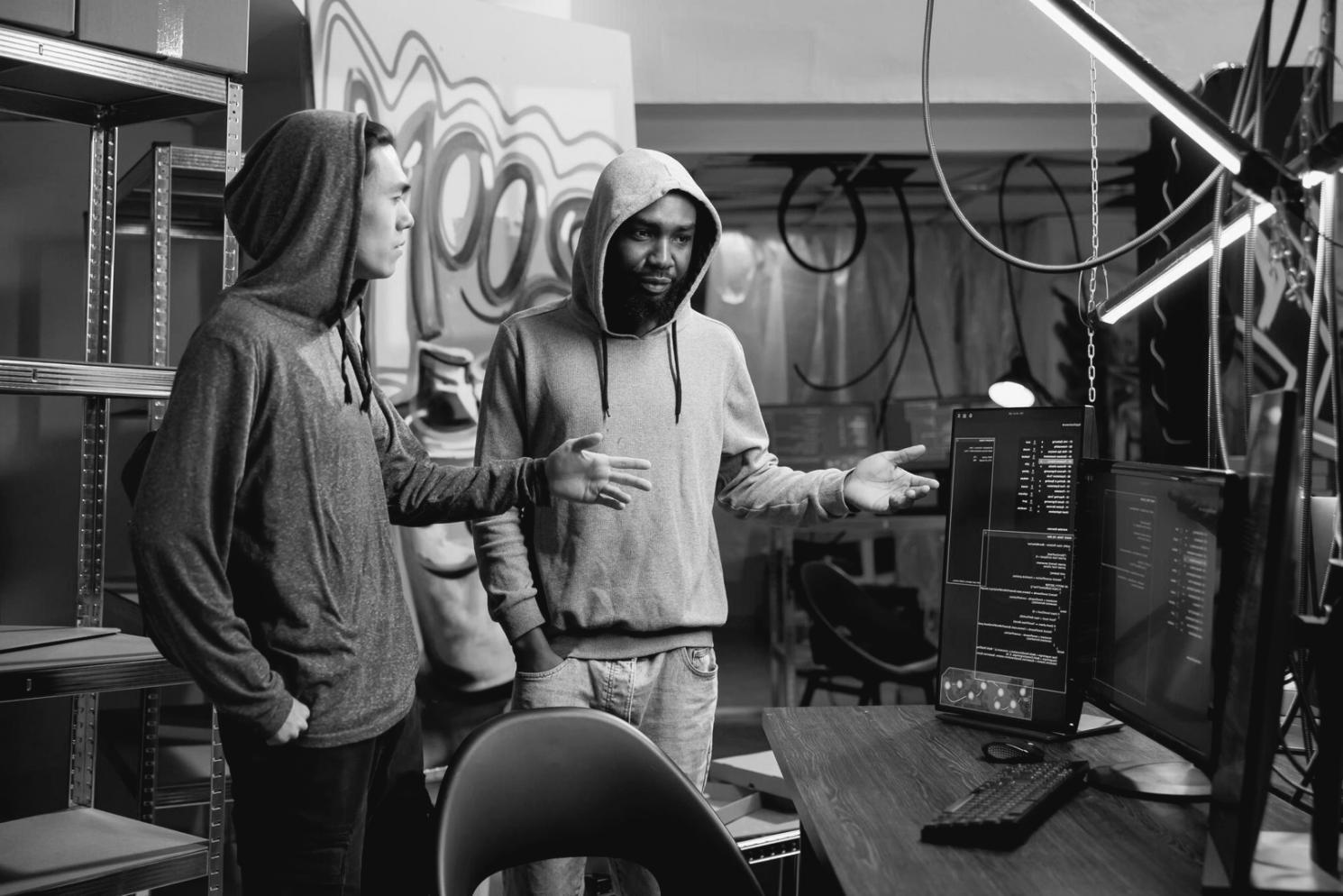
Every Tuesday we review work in progress. Participants present their current challenges and receive feedback from peers working on different aspects of the same pipeline. This builds the ability to articulate technical decisions and understand how your work affects downstream processes.

Shared Asset Libraries
Groups maintain collaborative repositories where everyone contributes reusable components. You'll learn proper naming conventions, documentation standards, and how to build assets that others can actually use without asking for clarification.
Typical progression through a group cycle
Each eight-week cycle follows a structured path from individual skill assessment to collaborative project delivery.
Baseline Assessment
You complete a small project that reveals your current workflow habits and technical gaps. This isn't graded—it helps us form balanced groups where members complement each other's strengths.
Group Formation
We match participants based on complementary skills and project interests. A typical group includes someone focused on modeling, another on texturing, and a third handling animation or rigging.
Collaborative Build
Groups spend five weeks building a small game asset package. You'll define technical specifications together, divide work, integrate components, and troubleshoot the inevitable compatibility issues.
Documentation and Handoff
The final week focuses on packaging your work for others. You'll write setup guides, create preview materials, and present your process to another group who attempts to use your assets.
Why participants choose this format
Regional Context
Working with people who understand South African internet constraints, power reliability issues, and local industry expectations removes a layer of friction from collaboration.
Scheduled Accountability
Fixed session times and peer dependencies create natural deadlines. When someone else needs your model to start texturing, you finish it.
Portfolio Development
Collaborative projects demonstrate teamwork capabilities that solo portfolio pieces can't show. Employers value evidence that you can integrate your work into larger systems.